Navigating Vacuum Potting Equipment for Quality-Driven Industrial Buyers
A practical reference for buyers reviewing offline vacuum potting options, supplier questions, and process fit before quotation.
Read article
Offline Potting Equipment
This offline vacuum potting machine is built for buyers who need a separate station for material handling, air removal, and controlled encapsulation on electronic assemblies and protected modules.
Teams comparing vacuum potting equipment manufacturer options can use this page to review the offline layout, sample workflow, and sourcing points before asking for a quotation.
Buyers checking vacuum potting system details can pair the image review with VeadyTech's contact page to discuss process fit, utility needs, and project planning.
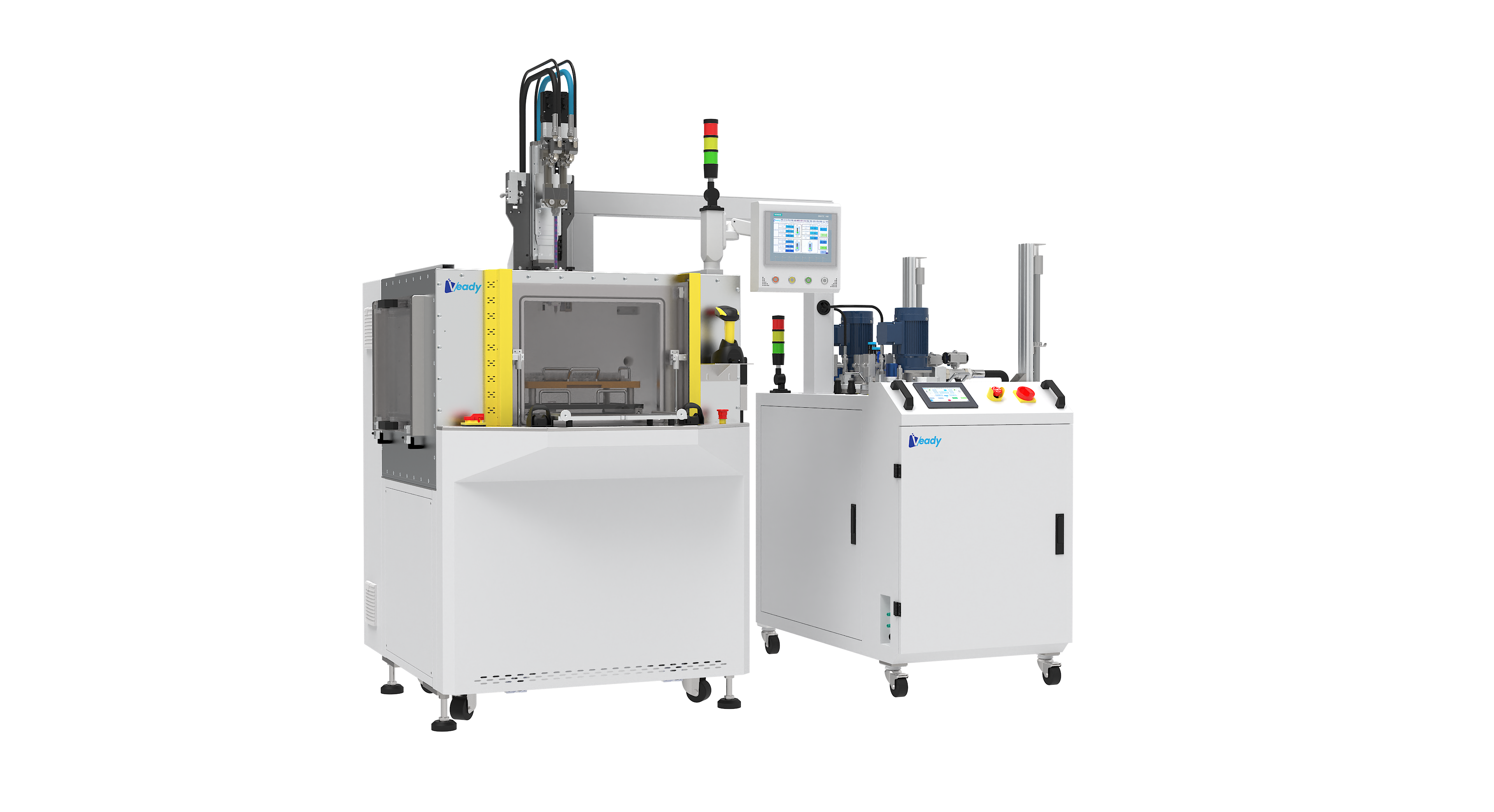
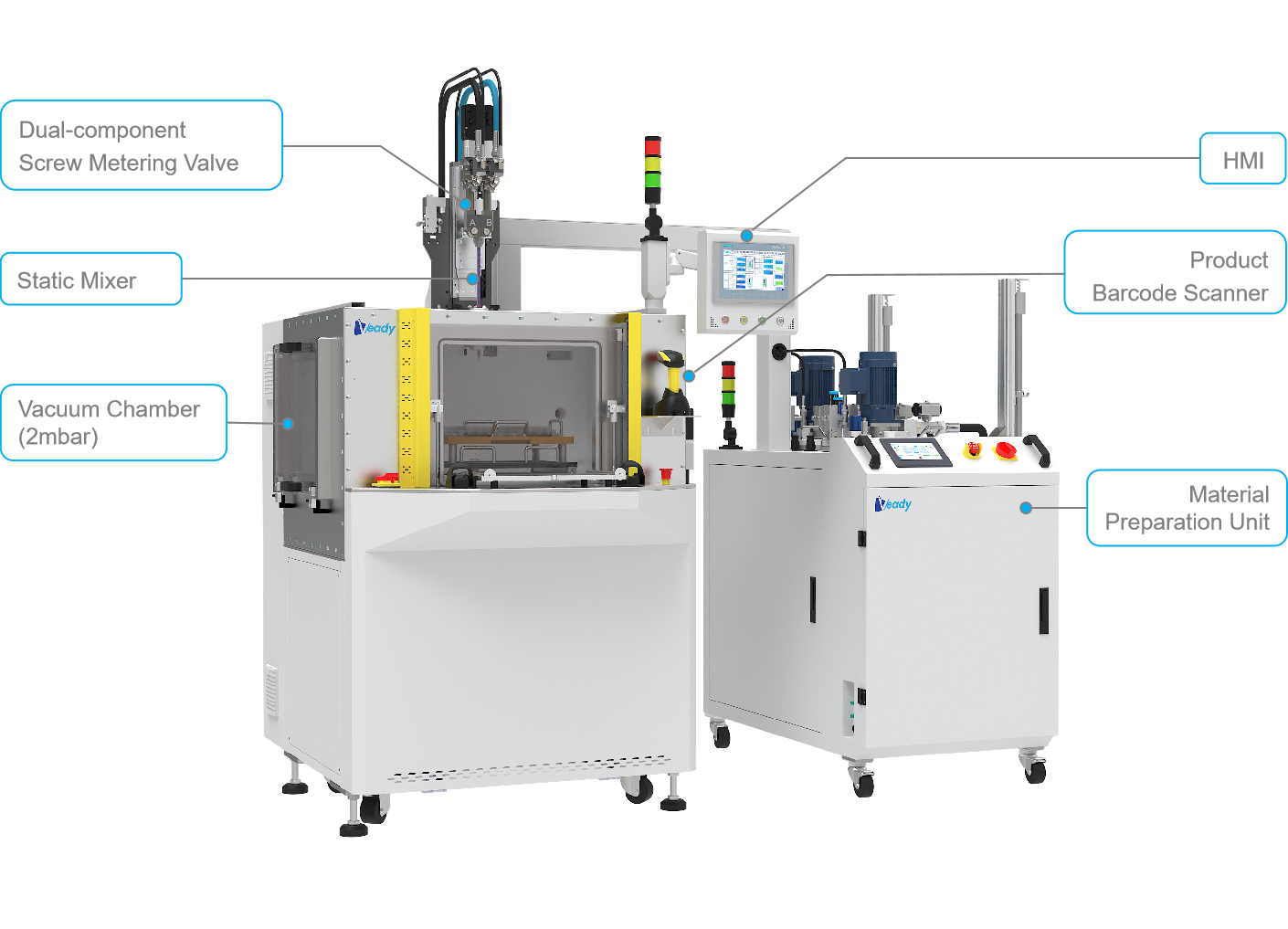
The equipment is presented as an offline vacuum potting station for controlled encapsulation work. It suits buyers who want a separate process area for air removal, fill consistency, and practical review before moving into line deployment.
| Item | Detail |
|---|---|
| Product Type | Offline vacuum potting machine |
| Process Focus | Vacuum-assisted potting and air removal |
| Station Style | Offline workstation for separate process control |
| Main Use | Controlled encapsulation for electronic assemblies and modules |
| Media Asset | Product image used in place of a video module |
| Project Notes | To be confirmed by project requirements |
The offline vacuum stage helps buyers review how the machine supports void reduction before encapsulation.
An independent workstation makes it easier to plan around material staging, service access, and process checks.
The page supports early project discussion, sample checks, and specification alignment before a formal request.
These technical articles help buyers compare equipment fit, process control, and reliability goals before sending an inquiry.
A practical reference for buyers reviewing offline vacuum potting options, supplier questions, and process fit before quotation.
Read articleUseful for teams comparing machine layout, encapsulation workflow, and the way modern potting systems support electronics work.
Read articleA selection-focused read for sourcing teams that want to connect vacuum de-airing, potting quality, and reliability planning.
Read articleThe comments below reflect realistic sourcing review points for offline vacuum potting equipment.
5/5 Rating
"The station layout made it easier for our team to compare vacuum handling, enclosure size, and process flow before a sample order discussion."
Procurement Manager, Germany
5/5 Rating
"We needed a practical offline setup for encapsulation work, and the discussion stayed focused on footprint, utilities, and the material review process."
Process Engineer, Singapore
5/5 Rating
"The supplier information was easy to review with our purchasing team because the image, articles, and project notes were arranged in a clear order."
Equipment Buyer, Mexico
These questions help buyers prepare a cleaner inquiry for project review, sample handling, and workstation planning.
An offline vacuum potting machine fits controlled potting tasks, sample review, and protected encapsulation work where the buyer needs a separate station for material handling, vacuum de-airing, and process checks.
Removing trapped air before potting helps reduce voids, improve fill consistency, and support more uniform encapsulation around electronic parts, coils, modules, or assemblies with sensitive surfaces.
Buyers should confirm material type, cavity size, vacuum requirements, station footprint, curing flow, utility needs, sample quantity, packing needs, and the documents required for project review.
The supplied image can help sourcing teams review the overall machine layout, enclosure form, and offline workstation arrangement before discussing the final specification set and quotation.
Key layout points include machine width, service access, hose or cable routing, nearby material staging, cleaning access, vacuum stability, and how the unit fits with the rest of the assembly line.
A sample evaluation should cover air removal behavior, fill consistency, cycle handling, operator access, cleaning steps, packing condition, and final fit for the intended production environment.
