
Move over the image to inspect details, or click to enlargeTap the image to inspect details
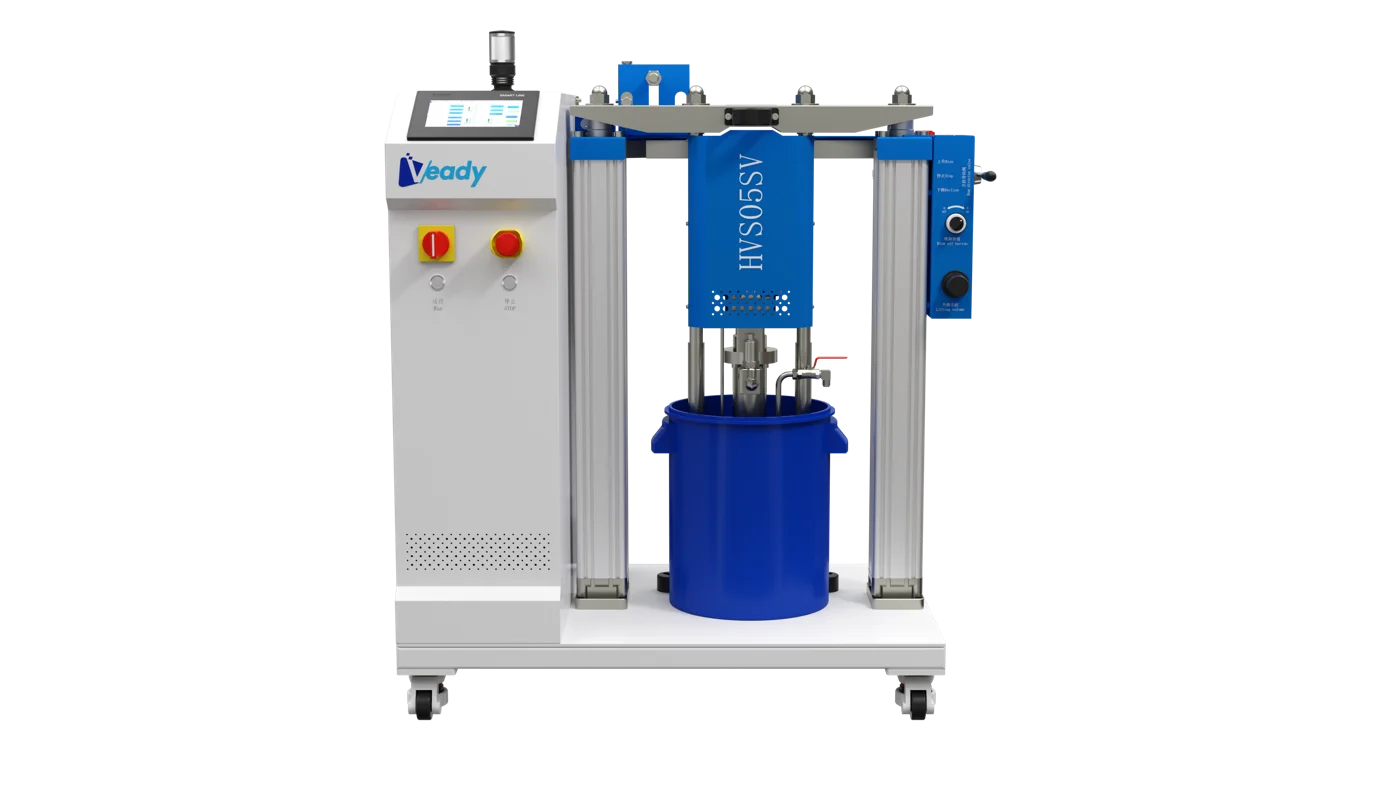
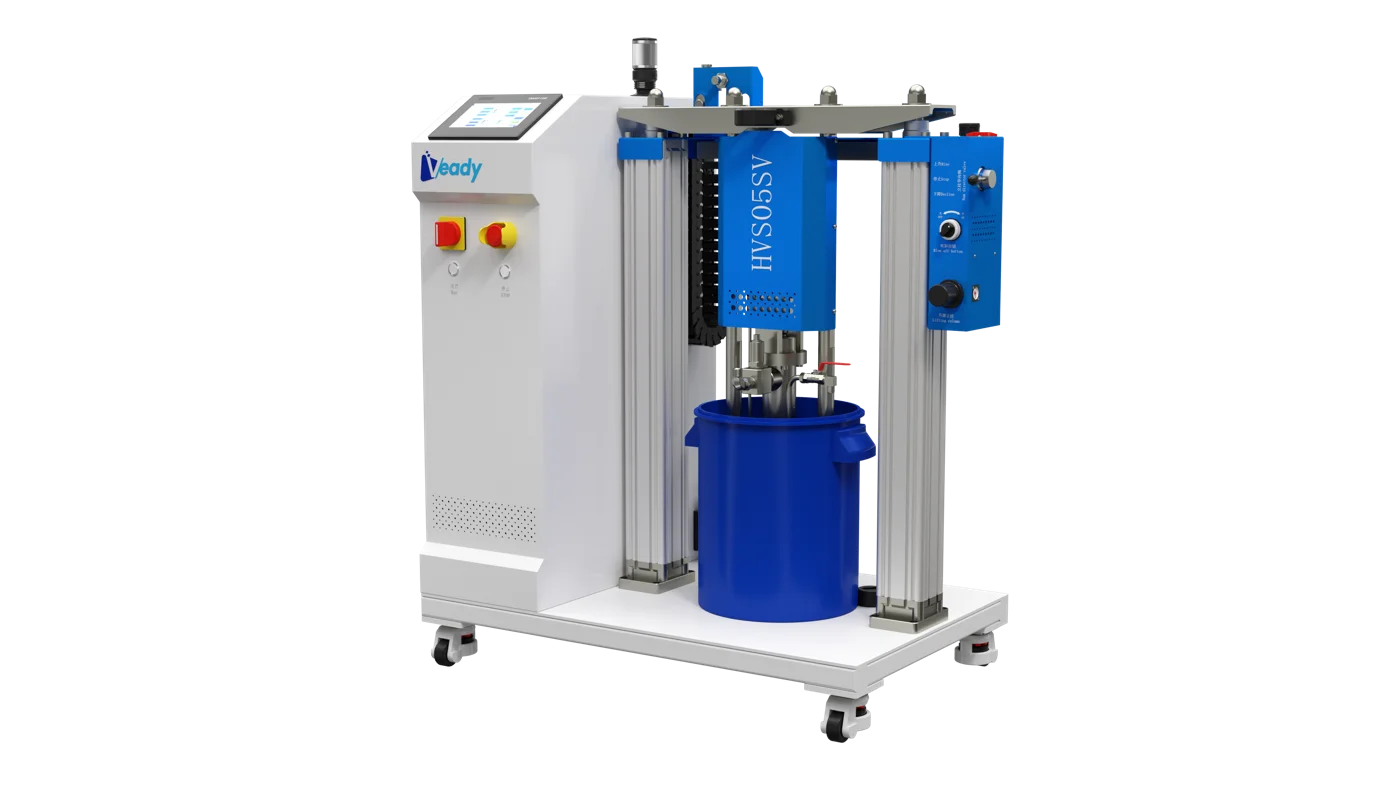
Screw-Driven Pressure Plate Feeding System
- Model
- WD-2S20L
Utilizes dual electric screw pressure plates, designed for high-viscosity adhesive feeding applications.
Explore this part of the adhesive process
Product Features:
Designed to provide continuous and stable feeding for high-viscosity single/dual-component adhesives.Equipped with low-level alarm and modular structure for flexible integration with various metering valves,meeting automated dispensing requirements across diverse industries.
Specifications:
Suitable Adhesives:Two-component thermal conductive adhesives, sealants, structural adhesives, and other dual-cartridge materials.
Product Applications:Controllers, home appliances, power tools, photovoltaic panels, ECU, OBC, CDU automotive components, etc.
Adhesive Compatibility
The feeder is set up for heavy, slow-moving materials: two-component thermal conductive adhesives, sealants, structural adhesives and other dual-cartridge products, as well as high-viscosity single-component adhesives. Viscosity, component count and cure behaviour differ between suppliers and even between batches, so the material datasheet is the starting point for every configuration. Send it with your enquiry and we will confirm how your adhesive behaves in the adhesive dispensing system you plan to feed, including whether any part of the wetted path should be specified differently. If the same unit has to run more than one adhesive, tell us which ones — switching between materials affects how the outlet and the wetted parts are set up.
Typical Applications
- Automotive electronics (ECU, OBC, CDU) — bead dispensing onto housings and covers; these are the kind of adhesive dispensing equipment setups where one feeder supplies a whole cell.
- Power tools — structural bonding on housings and motor assemblies, laid down as long continuous beads that suit a steady plate-fed supply.
- Home appliances and controllers — sealing and bonding of control boards and panel assemblies, where short, repeated dispense cycles make consistent feed pressure worthwhile.
- Photovoltaic panels — frame and junction-box sealing, where sealant runs across large panels and the supply has to hold up for the length of the pass.
- Cells built around an industrial glue dispenser — wherever a dispensing head or robot draws from a 5-gallon supply, this unit takes over the feeding side.
Technical Support & Model Matching
As the manufacturer, Suzhou Veady Precision Glue Dispensing Systems Co., Ltd supports your project from selection through startup. Share your adhesive, substrate, throughput and accuracy target, and our engineers help match the right dispensing, potting, vacuum potting or material preparation configuration. We also guide installation and commissioning, process parameter setup, and fault troubleshooting, and provide factory-direct service and bulk supply for long-term production.
FAQ
Q1 How does a pressure plate feeder compare with a pail pump for very thick adhesive?
A pail pump pulls material up through a narrow intake, which is where very thick adhesive tends to stall. Here the plates press down across the full surface of the pail and push material toward the outlet, so a stiff grade keeps moving instead of losing suction. If an industrial glue dispenser on your line has ever pulsed or run dry on a pump-fed supply, this arrangement is worth discussing before you specify.
Q2 Can one unit feed both parts of a two-component adhesive?
Yes. The frame carries two plates, so part A and part B can be loaded side by side and fed as separate streams that meet at the mixing valve. Keeping the parts apart until then matters for thermally conductive and structural grades, where working time after mixing is short. As a dispensing machine manufacturer we set the two plate outputs to suit the ratio you run — send the mix ratio and the viscosity of each part.
Q3 Which containers does the feeder take?
Both stations are built around standard 5-gallon pails. If you buy your adhesive in a different container, or in a dual-cartridge pack, send the dimensions and the rim details: the feeder system is configured around the container you actually use, and we would rather check the fit before the frame is built.
Q4 What maintenance does the unit need between shifts?
Wipe the plate faces and the follower edge while they are still warm, so nothing cures onto the sealing surface, then purge the outlet so material does not sit and set inside the glue dispensing system's hose. Plate travel and the air line are worth a quick check at shift handover, and the plates should be left raised and clean when the unit is idle.
Q5 Will it connect to the valve or robot we already run?
The outlet is modular, so the feeder can be matched to most metering valves instead of being tied to one make. Send the valve or robot model and the adhesive you use, and we will confirm the adapter, hose length and control connection for the adhesive dispensing system at your station before anything is built.
Q6 Does filler in the adhesive affect the feeder?
Filled adhesives are common in this class of work, and the plate, hose and outlet are the parts that see the wear. Which materials suit your product depends on the filler type and how heavily it is loaded, so tell us what the adhesive contains and how it is loaded, and we will confirm what suits your product.
Technical specifications
| Parameter | Specification |
|---|---|
| Equipment Name | Screw-Driven Pressure Plate Feeding System |
| Model | WD-2S20L |
| Feed Pump | Dual 5-Gallon Electric Screw Pumps × 2 |
| Dispensing Rate | 3-10 cc (Continuous) |
| Heating Temperature | Ambient Temperature to 50 °C |
| Power Supply | AC220V, 50 Hz, 2.5 kW |
| Operating Air Supply | 0.5-0.7 MPa |
| Dimensions | L=900 × W=1500 × H=1850 mm |
| Weight | Approx. 180 kg |
Technical specifications for the listed model. For application engineering, share your adhesive datasheet, part drawing and production requirements.
More product views